
Giocci: a resource-permeating computing platform for wide-area distributed systems
In wide-area distributed systems based on 5G and Beyond 5G mobile communication systems, we can now flexibly utilize computing resources deployed in the network such as MEC (Multi-Access Edge Computing) servers. However, constructing a high-quality IoT system is still challenging, e.g., dealing with a wide variety of devices, various types and amounts of data, and different processing methods. We are developing an IoT platform in Elixir, named "Giocci". This platform realizes the features below to empower developers. 1) Transparent use of computing resources (edge-side, MEC, cloud) 2) Node-to-node access methods 3) Data storage and sharing This talk will introduce you to the Giocci world. - Giocci's concept and architecture - The efficient inter-node communication derived from Zenoh - The motivational example application for Giocci that employs an object detection model (YOLOv3) running on SRv6 MUP in the commercial 5G network powered by SoftBank We aim to discuss Elixir and BEAM's potential in developing wide area distributed IoT systems.
You can register for workshops for free. Please only register if you intend to attend the workshop. We have limited capacity.
Hideki Takase
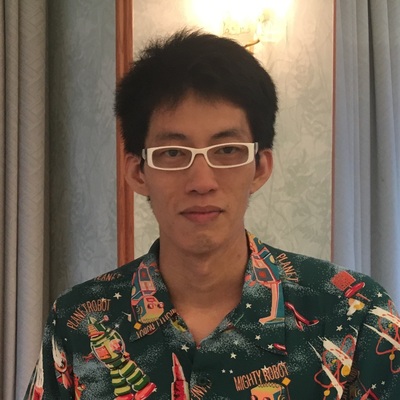
Hideki Takase is an Associate Professor at The University of Tokyo, Japan. His research interest includes runtime platform and system-level design methodology for embedded/real-time/IoT computing. He belongs to some tech communities, such as NervesJP, ROS Japan Users Group, IoT ALGYAN, hls-friends, TOPPERS project, etc. He is a member of Embedded and EPC Working Groups in Erlang Ecosystem Foundation.
Yutaka Kikuchi

He is a manager of a renewable energy startup besides a professor at Kochi University of Technology. One of his interests is to develop a new platform for developing distributed industrial systems with Nerves. He received his Ph.D. from Science Tokyo (ex. Tokyo Institute of Technology) for his work on non-imperative languages in 1996.